
The University
A small Old Age university on Tanner's Cove, with 14 courses of the sea and what lies under it. Each is a run of quests in the world, opened by the skills you have already trained. 8 are open; the rest are on the board as "opens later".
The campus
On a terrace above the beach, round a quadrangle open to the sea: the Great Hall with its clock tower and the Registry inside, the Science Range (Oceanography, Marine Ecology and Marine Geology), the Engine Shed (pumps, capstan, forge), the Drawing Office and the long Model Tank with its towing carriage, and the Chart House with its observatory dome, and behind the Science Range the Fossil Hall, where Palaeontology is taught. Each professor teaches in their own room; the field work is out on the island and at sea. Sydney's research station stands beside it.
Enrolling
- Talk to
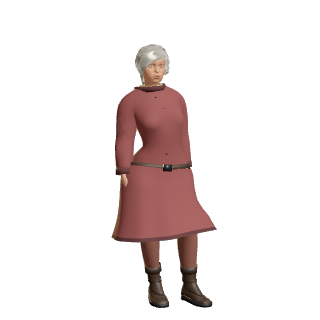 Registrar Edith Marlowe in the Registry. Her screen lists every course: open to you, enrolled, graduated,
requirements not met, or opens later. Pick one to see each level's skills ("Navigation 40, currently 32: needs 8 more levels"),
its prerequisite, its fee and what graduating opens.
- Year 1 (introductory, 250 gold) gives the Foundation Certificate; Years 2 and 3 (advanced, 1,500 gold, and the certificate) give the Degree; the postgraduate year (5,000 gold, and the Degree) gives the Postgraduate qualification. Offshore Engineering: Oil and Gas Extraction has an elite tier on top (15,000 gold).
- The server checks every requirement again at every step: you cannot start a year without being enrolled on it.
- A degree never locks anything you can already do. It opens the course's own later years, and the deep sea work that asks for it (the deep dig sites and the legendary sites).
- Like Marine Biology: everything is measured or found in the world, a wrong answer is explained and can be tried again, and a strand you find hard opens extra work. The quests pay the course's skills, Adventure XP and gold. Qualifications are kept for ever.
The courses
| # | Course | Taught by | Year 1 needs | Degree needs | Postgraduate needs | |
|---|---|---|---|---|---|---|
| 1 | Oceanography The water itself: its heat and salt, its tides, currents and waves, and the shape of the seabed beneath it. | 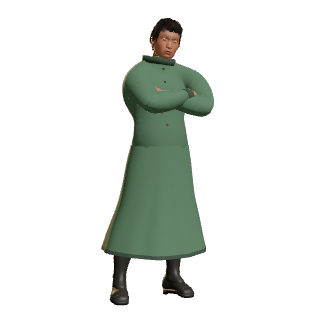 Professor Idris Kemble | Open | Navigation 15, Surveying 10, Exploration 10 | Navigation 40, Surveying 40, Exploration 30 | Navigation 60, Surveying 60, Exploration 50 |
| 2 | Marine Ecology and Conservation How life in the sea fits together, and how to protect it. | 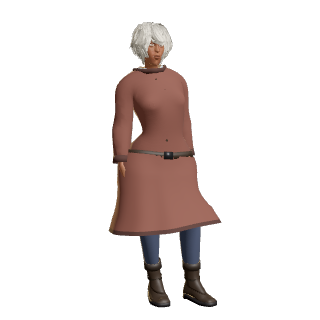 Dr Tamsin Okoro | Open | Zoology 15, Botany 10, Exploration 10 | Zoology 40, Botany 30, Surveying 30 | Zoology 60, Botany 50, Surveying 50 |
| 3 | Marine Geology and Geophysics The rock under the sea: how it formed, what it holds, and how to find it. | 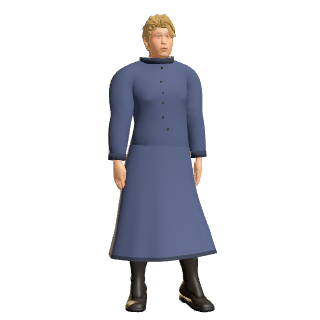 Professor Rhodri Calder | Open | Mining 15, Surveying 15, Exploration 10 | Mining 40, Surveying 40, Excavating 30 | Mining 60, Surveying 60, Excavating 50 |
| 4 | Marine Engineering Keeping a ship's machinery alive: diagnosis, maintenance and repair at sea. | 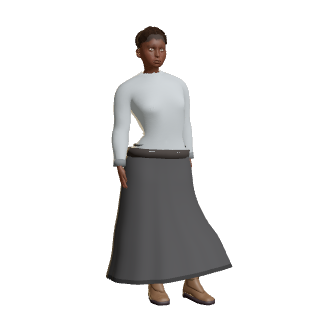 Professor Nell Brannigan | Open | Repair 15, Carpentry 10, Damage Control 10 | Repair 40, Damage Control 40, Clockwork 30 | Repair 60, Damage Control 60, Clockwork 50 |
| 5 | Naval Architecture Designing ships: hulls, stability, and the plans the yards build from. | 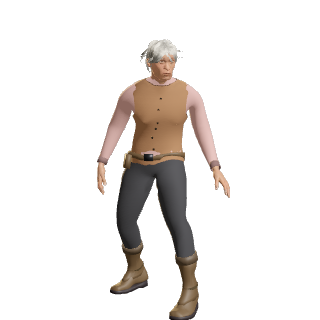 Professor Rohan Vale | Open | Shipbuilding 20, Carpentry 15, Surveying 10 | Shipbuilding 45, Carpentry 35, Surveying 30 | Shipbuilding 65, Carpentry 50, Surveying 50 |
| 6 | Maritime Navigation and Hydrography Charting the sea: soundings, survey lines, and safe passage through hard water. | 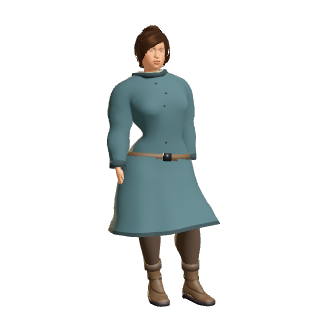 Professor Orla Quinlan | Open | Navigation 15, Surveying 15, Ship Handling 10 | Navigation 40, Surveying 45, Ship Handling 30 | Navigation 60, Surveying 65, Ship Handling 45 |
| 7 | Marine Archaeology Wrecks and drowned places: finding them, recording them properly, and what they tell us. | 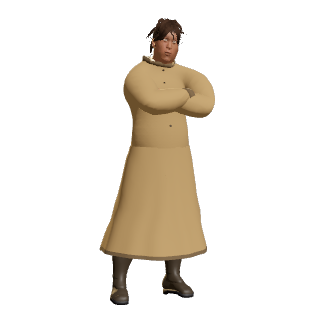 Professor Idris Ferrand | Open | Archaeology 15, Surveying 10, Exploration 10 | Archaeology 40, Surveying 35, Exploration 30 | Archaeology 60, Surveying 50, Exploration 50 |
| 8 | Fisheries Science and Management Fish stocks: how many there are, how they change, and how to fish without emptying the sea. | Opens later | Fishing 15, Zoology 10, Surveying 10 | Fishing 40, Zoology 35, Surveying 30 | Fishing 60, Zoology 50, Surveying 45 | |
| 9 | Aquaculture and Marine Biotechnology Farming the sea: fish health, production, and the facilities that do it. | Opens later | Fishing 15, Zoology 15, Processing 10 | Fishing 35, Zoology 40, Processing 30 | Fishing 50, Zoology 60, Processing 45 | |
| 10 | Coastal and Marine Environmental Science Coasts under pressure: pollution, incidents, and putting things right. | Opens later | Surveying 15, Exploration 10, Zoology or Botany 10 | Surveying 40, Exploration 30, Zoology or Botany 35 | Surveying 60, Exploration 45, Zoology or Botany 50 | |
| 11 | Maritime Economics, Shipping and Port Management Ships as a business: cargo, schedules, ports and the money that moves them. | Opens later | Logistics 15, Accounting 10, Appraisal 10 | Logistics 40, Accounting 35, Appraisal 30 | Logistics 60, Accounting 50, Appraisal 45 | |
| 12 | Ocean Climate Science The ocean over years and decades: long records, trends, and what the evidence says. | Opens later | Surveying 20, Exploration 15, Zoology 15 | Surveying 45, Exploration 35, Zoology 35 | Surveying 65, Exploration 50, Zoology 50 (and Marine Biology) | |
| 13 | Offshore Engineering: Oil and Gas Extraction Offshore installations and extraction systems: a progression of its own, not just more Mining. | Opens later | Mining 25, Surveying 20, Repair 15, Logistics 15 | Offshore Engineering 40, Mining 40, Surveying 35, Repair 35, Logistics 30 | Offshore Engineering 60, Mining 50, Surveying 50, Repair 50, Logistics 40 | |
| 14 | Palaeontology Dinosaurs and the world they lived in: dug island by island, under the sea and high on the Twin Giants. | 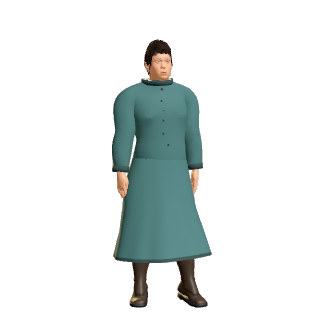 Dr Ross Gellard | Open | Excavating 15, Archaeology 10, Exploration 10 | Excavating 40, Archaeology 35, Exploration 30, Zoology 20 | Excavating 60, Archaeology 50, Exploration 50, Zoology 35 |
Marine Biology is not on this list: it is Sydney's own campaign, and it counts as a qualification (Ocean Climate Science's postgraduate year asks for it).